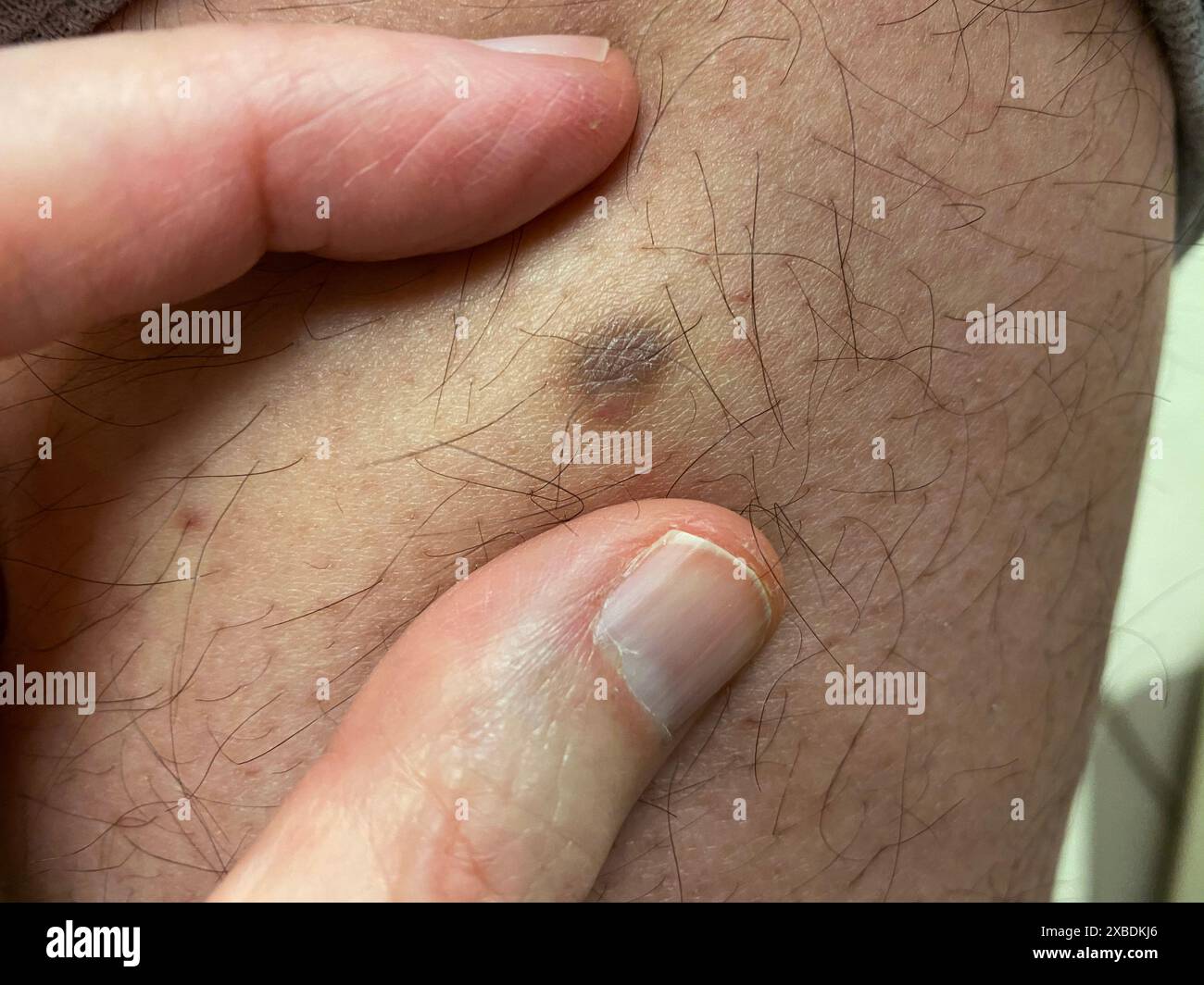
Seborrheic Keratosis Dermatology Facility Of Idaho
Seborrheic Keratosis Symtoms And Treatment Skin This web site is not meant for homeowners of New Mexico. Seborrheic keratoses can impulse, bleed conveniently, or come to be red and aggravated when garments massages them.
Atopic Dermatitis
Most of the times, removal treatments are relatively quick and can be finished in a solitary browse through to a dermatologist. They either have a smooth or harsh and rough surface and have distinct boundaries from the bordering skin. Seborrheic keratoses are more likely to base on the face, shoulders, back, and breast, though they can develop on other areas of the body too. Pityriasis rosea is a breakout that takes place most frequently in individuals in between the ages of 10 and 35, but might occur' at any age. The rash can last from several weeks to a number of months. Normally there are no long-term marks as a result of this problem, although some ...
Curettage (Scuffing)
What happens if seborrheic keratosis is left untreated?
Seborrheic keratoses are safe and not contagious. They do not require treatment, but you may decide to have them removed if they end up being aggravated by apparel or you don't like exactly how they look.
These growths are typically pain-free but can come to be itchy or aggravated in some cases. It is necessary to note that seborrheic keratosis might appear like other types of skin disease, so a correct medical diagnosis from a skin specialist is crucial. Seborrheic keratosis is a common skin disease that can cause increased, wart-like developments externally of the skin. Elimination techniques include cryotherapy, CryoPen application cut biopsy, curettage, and cautery. One of the vital aspects to keep in mind regarding seborrheic keratoses is that they are totally benign and do not have the possible to turn into malignant lumps. This must supply peace of mind to those that might be concerned regarding the lasting implications of these growths. Unlike other kinds of skin lesions, such as cancer malignancy or basal cell cancer, seborrheic keratoses do not have malignant qualities. Among the choices for treating seborrheic keratosis lesions is cryotherapy, which entails cold the affected area with liquid nitrogen. This cold process destroys the excess skin cells and permits much healthier skin to grow in its place. Seborrheic Keratoses are typically dark or brown wart-like growths appearing anywhere on the skin after the age of 30 and continuing throughout a lifetime. The number of seborrheic keratoses differs from few to thousands per individual. These developments may be because of sunlight damage, however additionally appear to be acquired. Despite showing up hazardous, they are one of the most typical benign growth of the skin.
Yet you have a higher threat of obtaining melanoma if you have specific threat factors.The only areas where seborrheic keratoses won't develop are the palms of the hands and soles of the feet.These benign (non-cancerous) developments can occur almost anywhere on the skin.For accessibility, expenses and full details of insurance coverage, get in touch with a licensed representative or Cigna sales agent.Growths on the face or neck might be unpleasant and impact a person's self-esteem.
Call today for an assessment to assess your seborrheic keratosis. Free to every person, these materials teach young people about typical skin problem, which can protect against misunderstanding and bullying. Therapy alternatives for seborrheic keratosis emphasis generally on removing the developments if they are triggering discomfort or impacting one's appearance. Numerous techniques such as cryotherapy (freezing), curettage (scratching), electrocautery (burning), and laser therapy might be made use of to eliminate the growths safely and properly. It's important to keep in mind that not all instances of seborrheic keratosis lesions require a biopsy. Our St. Louis skin specialists rely upon their professional suspicion and experience to determine when this treatment is essential. This too much production can lead to the formation of seborrheic keratoses sores. In regards to signs and symptoms, patients with seborrheic keratoses may experience hyperpigmentation and development in the affected areas This Skin tag removal indicates that the pigmentation of the skin might be darker than bordering areas. because of enhanced melanin manufacturing. Nevertheless, this is not always the instance as some lesions might show up lighter than regular skin tones. Seborrheic keratoses can be dark or light brown, gray, black, tan, or skin-colored. Since SKs are benign, treatment is usually not needed. SKs can base on both skin that gets sunlight exposure and skin that gets little or no sun. For that reason, more research study is required to figure out if UV light exposure plays a role in creating SKs. While SKs are harmless, other developments that might threaten can be misinterpreted for an SK. If you see any brand-new orsuspicious areas on your skin, or anything altering, itching or bleeding, see a board-certified skin specialist. SKs usually have a waxy, stuck-on-the-skin appearance, like a dab of warm candle light wax. Factors such as irregular discussion, quick development, or uncommon functions of the sores may trigger them to suggest a biopsy. Clients who pick to have their seborrheic keratoses got rid of frequently experience itching or discomfort if they scrub against clothing. Patients can have seborrheic keratoses treated with one of a number of approaches, including cryosurgery, electrosurgery, curettage, and cut removal. Seborrheic keratoses are either level or slightly raised bumps that may seem stuck or pasted on the skin. They are available in various colors, varying from white, yellow, or light tan to brown and black. It has been approximated that over 90% of adults over the age of 60 years have one or more of them. They occur in men and ladies of all races, typically beginning to emerge in the 30s or 40s. Crawler Blood Vessel Varicose Blood Vessel Treatment Crawler veins are small shallow blood vessels that show up red or blue in the skin. They frequently take place on the legs, yet are also discovered on the face or other locations of the body. These dilated capillary might be short, unconnected ... Hives, or "wheals", are pale red swellings of skin that happen in groups on any type of component of the skin.