Pregnancy Urinary Incontinence Avoidance And Treatment Techniques
Pregnancy Urinary Incontinence Prevention And Treatment Approaches Cesarean area distributions may have a lower risk of urinary incontinence, but this type of distribution offers issues of its very own. You can't stop urinary incontinence after birth, however you can utilize our all natural strategy to treat the problem, one is psychophysiological feedback/ pelvic floor treatment. Women have distinct health and wellness events, such as maternity, childbirth, and menopause, that might affect the urinary system system and the bordering muscle mass. The pelvic flooring muscle mass that sustain the bladder, urethra, uterus (womb), and bowels might end up being weak or damaged. When the muscular tissues that support the urinary system tract are weak, the muscular tissues in the urinary system system must work tougher to hold pee till you prepare to urinate.
What Are The Danger Aspects For Maternity Incontinence?
After the cervix is totally dilated, the pushing stage of labor begins. The mommy is typically asked to wait for a tightening to start, then hold her breath, and bear down as hard as she can in order to press the child out. This bearing down presses the child's head versus the mother's muscles and nerves to such a degree that the regular flow of blood is removed momentarily till that push is over. Without a fresh supply of blood, the tissues are robbed of oxygen and nutrition, making them much more vulnerable to damage. The stress produced by pressing are 3 times greater than the cells would typically endure for any type of extended time. Nonetheless, minority mins of remainder in between tightenings typically lets blood recede to the area.
Can postpartum bladder prolapse heal itself?
The problem most likely won't go away on its own and might intensify gradually without treatment. We normally suggest beginning with traditional therapy techniques whenever possible. Pelvic flooring therapy and Kegel exercises may be all you need to recover your pelvic area to remedy placing.
Find An Option For Your Urinary Incontinence
Much to everyone's shock, episiotomy may in fact create, not stop, pelvic prolapse and urinary incontinence, exactly what it was intended to assist stay clear of.Before pregnancy, you were squashing training runs and seeing health and fitness gains.As many as four in every 10 ladies experience it (although one research discovered that it impacted 85% of surveyed mothers), and those that provided vaginally have a 50% greater opportunity of developing it.The forceps also help the medical professional to pull the infant out, specifically if there is a limited fit.
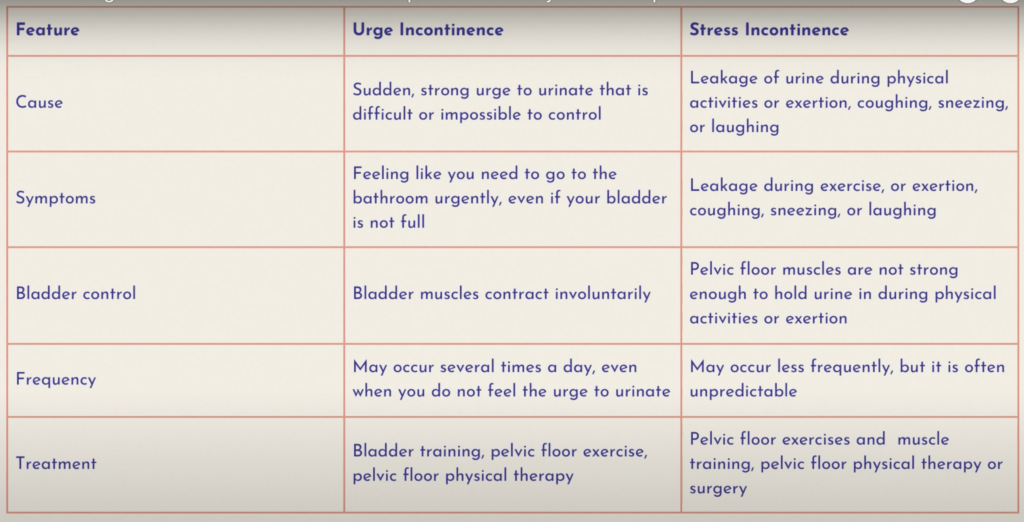
Others may just experience postpartum incontinence just during the night, usually called nocturnal incontinence. As a matter of fact, urinary incontinence during the very first couple of months after giving birth is common; research recommends it affects regarding a 3rd of ladies. Regardless of that, several females are self-conscious to discuss their signs and symptoms or unwilling to look for assistance. Pelvic floor physical treatment is a specialized, evidence-based treatment that exceeds standard exercises and is very efficient for postpartum incontinence. There may also be difficulties with the pudendal nerve, which is responsible for controlling the pelvic floor. If this is what triggers postpartum urinary incontinence, your doctor will certainly aid you discover the best methods to regain nerve feature to manage your bladder. Exercising these muscle mass while pregnant has actually been revealed to lower incontinence while pregnant and Intermittent catheter right after delivery. Appropriate pelvic floor activation and progressive packing prescription improve function and self-confidence for running, leaping, Bladder control or lifting without awkward crashes. Reclaim control over your pelvic flooring feature and modify task without avoiding your interest. Call today to conquer postnatal pelvic floor barriers interfering with an active way of life. Continuous mild mobilization treatment additionally eliminates lingering scar cells or adhesions, entrapping nerves and jeopardizing recovery. This added stress on your bladder is referred to as stress incontinence and this happens when the bladder sphincter doesn't work well enough to keep in pee. If you have symptoms of postpartum incontinence, make a doctor's appointment. While these bladder irritants don't influence everybody the same way, you might notice more leakages or pain after consuming them. Stress and anxiety urinary system incontinence results when intra-abdominal pressure bypasses urethral closure pressure, involuntarily releasing urine. Jolting motions like running, jumping, or climbing staircases increase stomach pressure. Relaxin is a hormone that relaxes your muscles in preparation for labor. A pelvic floor that's looser and softer, which leads to less control of your bladder. You might require temporary help from urinary incontinence medication or assistance tools to assist relax your bladder and control urine circulation. Some gadgets, such as a pessary, can be positioned in the vagina to support the bladder and rectum and help the bladder totally empty. Other gadgets like bladder slings may also be operatively placed to treat incontinence signs and symptoms. You can blame this usual postpartum symptom on the pregnancy- and delivery-weakened muscles around the bladder and hips, which might have a tougher time managing your flow after childbirth. Kegels work by strengthening the musculature of the pelvic floor, which gives the urethra something to press versus to stop urine from appearing. The advised kegel routine is 3 sets of eight-to-12 tightenings held for eight-to-10 secs each, 3 times a day. Many women experience postpartum incontinence, and it's nothing to be embarrassed of. As a matter of fact, several brand-new mamas locate that, with proper treatment and reinforcing exercises, they can gain back complete continence within twelve month, with symptoms frequently boosting within 3 to 6 months. Nevertheless, the trick is to deal with incontinence early and collaborate with a pelvic flooring physical therapist if essential. Early postpartum pelvic floor workouts and physical treatment can additionally help sustain recuperation and reduce long-lasting bladder control issues.